The Book Notes
Welcome to The Booknotes, a trusted academic platform and hub for comprehensive chapter-by-chapter book notes designed for Graduation, Post-Graduation, and competitive examination preparation including Semester's Exams, UGC NET, CUET PG, and UPSC.
We cover a wide range of subjects such as History, Political Science, Geography, Sociology, Economics, Psychology, Philosophy, English Literature, and many more along with UPSC-recommended standard books. Our mission is to condense and simplify the learning experience by providing standard book-based notes, detailed explanations, practice questions, and solved Previous Year Questions (PYQs).
Whether you are a dedicated student, a passionate learner, or a focused competitive exam aspirant, our meticulously curated content helps you save valuable study time while building strong conceptual clarity. At thebooknotes.in, we bring together quality, structure, and convenience to support your academic and competitive success.
Meet the Creators

Harshit Sharma
Founder of The Book Notes and Examopedia, building accessible, structured, and student-focused learning resources for university students and competitive-exam aspirants.

Janvi Singhi
Writer, researcher, and content creator at The Book Notes, working across politics, international relations, sociology, Economics, Hitory, English Literature and Geography.
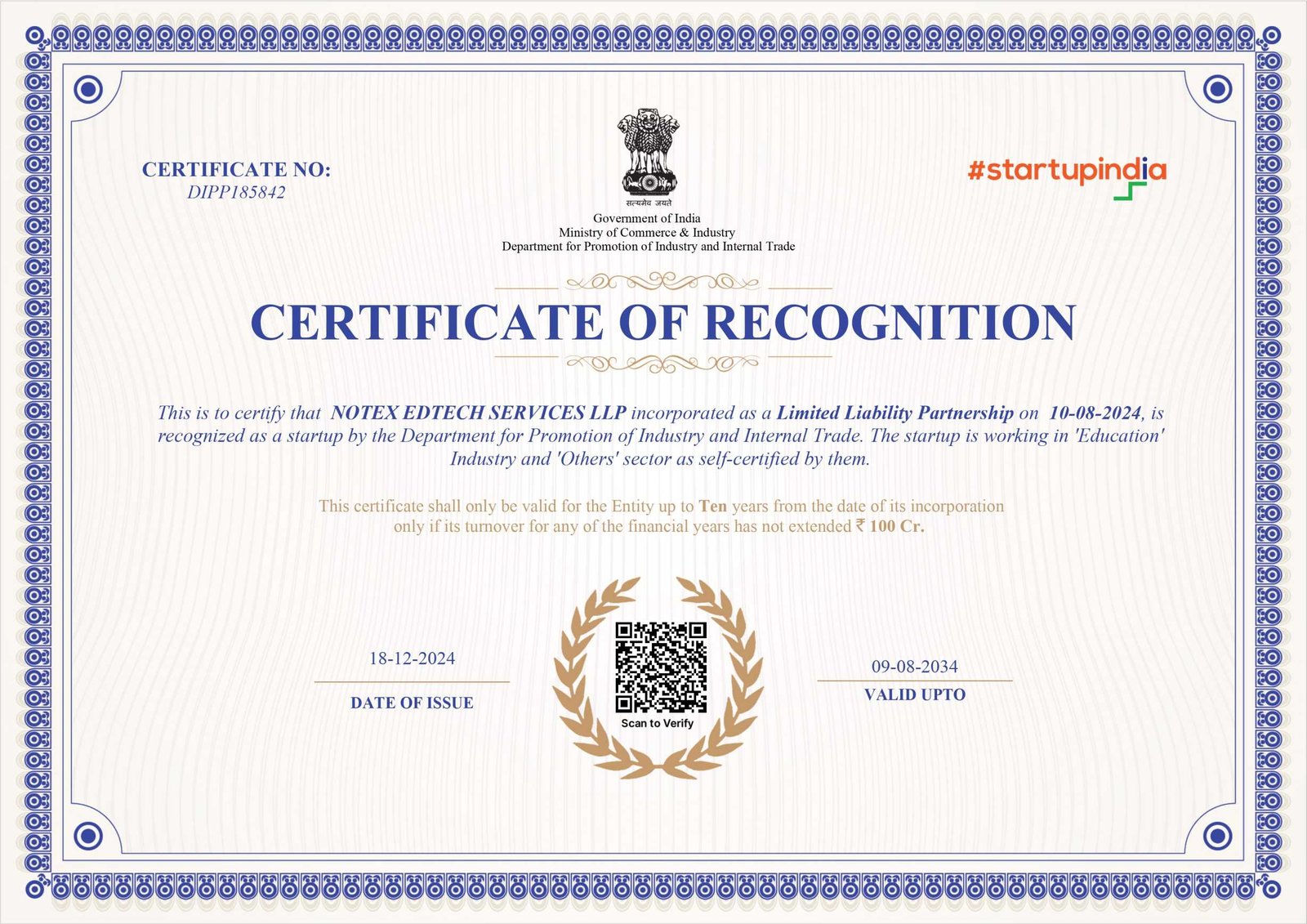
Recognised by the Government of India
Notex Edtech Services LLP, the company behind The Book Notes, is an officially registered and DPIIT-recognised startup under the Startup India initiative.