
- General Sensations
- Types of General Sensations
- Receptors for General Sensations
- Processes in General Sensation
- Specific (Special) Sensations
- Vision (Visual System)
- Hearing (Auditory System)
- Equilibrium (Balance)
- Taste (Gustation)
- Smell (Olfaction)
- Classification of Sensory Receptors
- Sensory Pathways
- Coding of Sensory Information
- Integration and Perception
The sensory system is a fundamental component of the human nervous system responsible for detecting, transducing, and interpreting stimuli from both the external and internal environments. It allows organisms to maintain homeostasis, respond to environmental changes, and interact with their surroundings. Sensory systems operate through specialized cells known as receptors, which convert physical or chemical stimuli into electrical signals that can be interpreted by the brain. These systems are broadly categorized into general senses and special senses, based on their complexity, localization, and the type of receptors involved.
General Sensations
General sensations are relatively simple sensory modalities that are widely distributed throughout the body. Their receptors are found in the skin, muscles, tendons, joints, and internal organs. These sensations are typically associated with basic survival and bodily awareness.
Types of General Sensations
General sensations are classified into three major categories:
A. Somatic Sensations:
These originate from the body wall and limbs.
- Tactile sensations (touch, pressure, vibration)
- Thermal sensations (heat and cold)
- Pain (nociception)
- Proprioception (body position and movement)
B. Visceral Sensations:
These arise from internal organs.
- Stretch (e.g., bladder fullness)
- Chemical changes (e.g., blood CO₂ levels)
- Pain from organ dysfunction
C. Deep Sensations:
These include sensations from muscles, tendons, and joints.
- Muscle tension
- Joint position
- Movement awareness
Receptors for General Sensations
General sensory receptors are structurally simple and are either free nerve endings or encapsulated nerve endings.
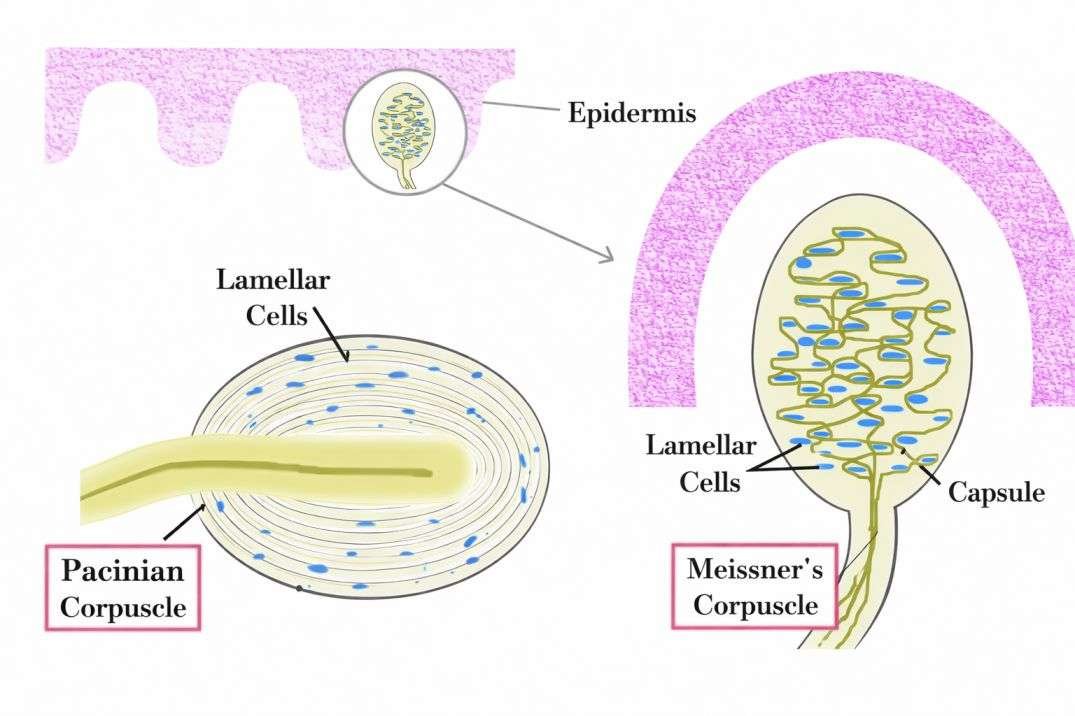
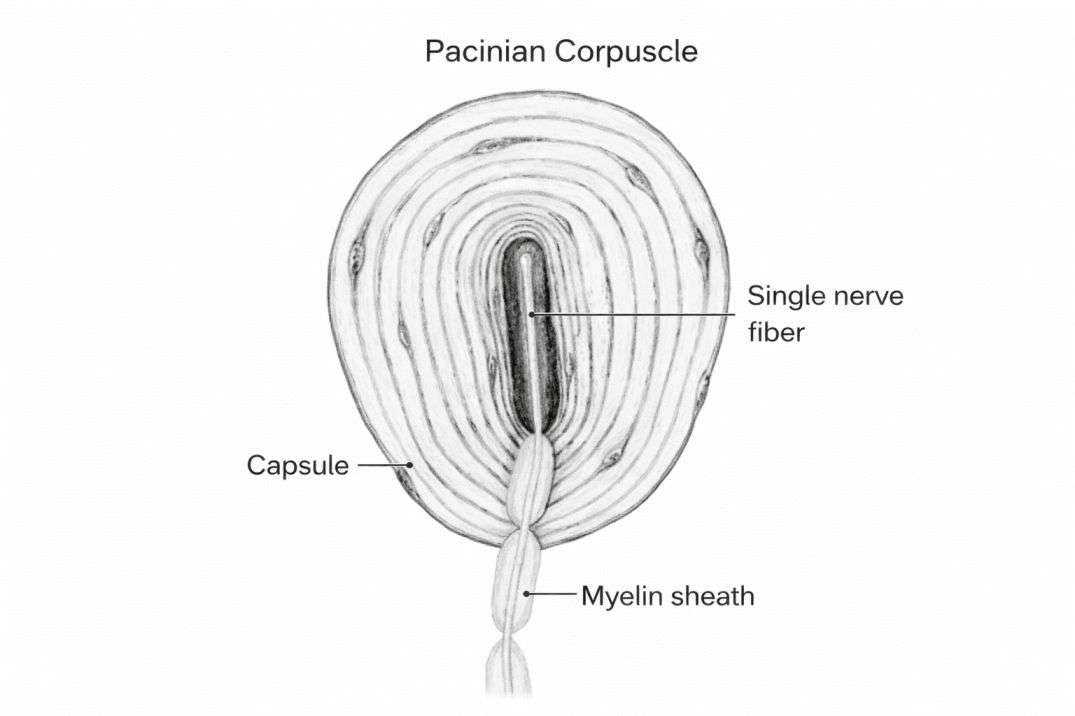
1. Free Nerve Endings:
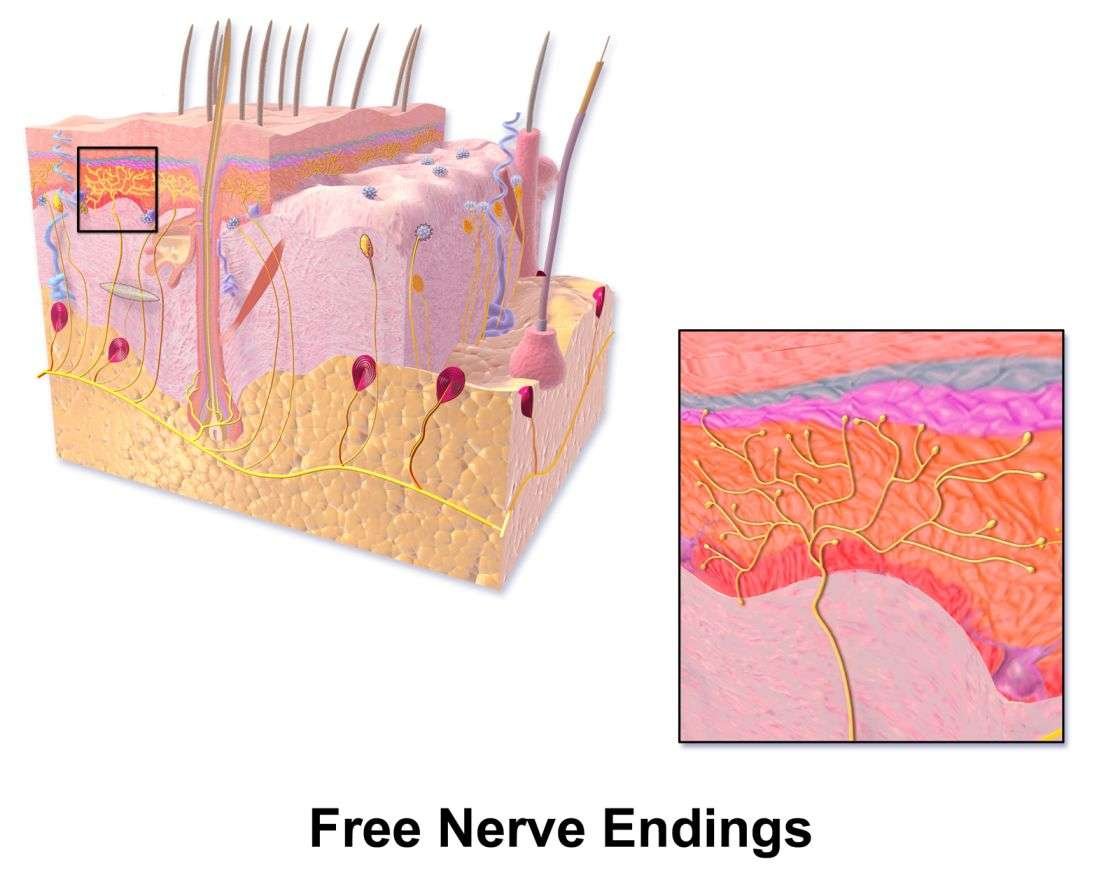
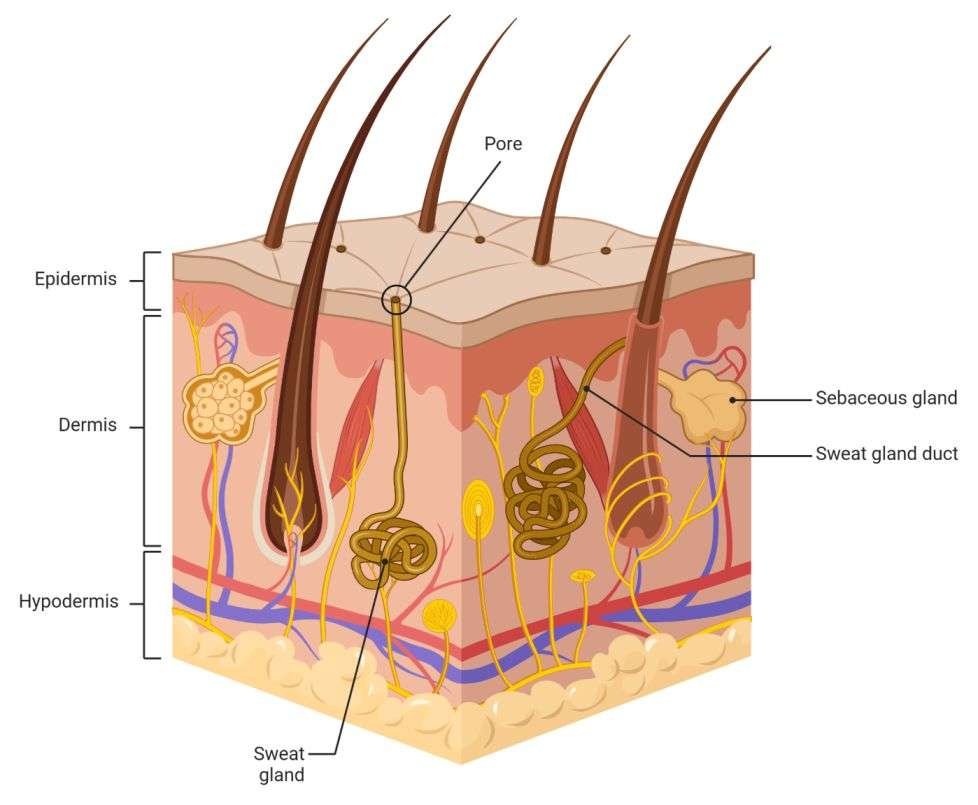
- Found in skin and tissues
- Detect pain, temperature, crude touch
- Respond to multiple stimulus types